Are you looking to know A Simple Guide to Necklace Chains and Their Styles then read this article to find out A Simple Guide to Necklace Chains and Their Styles
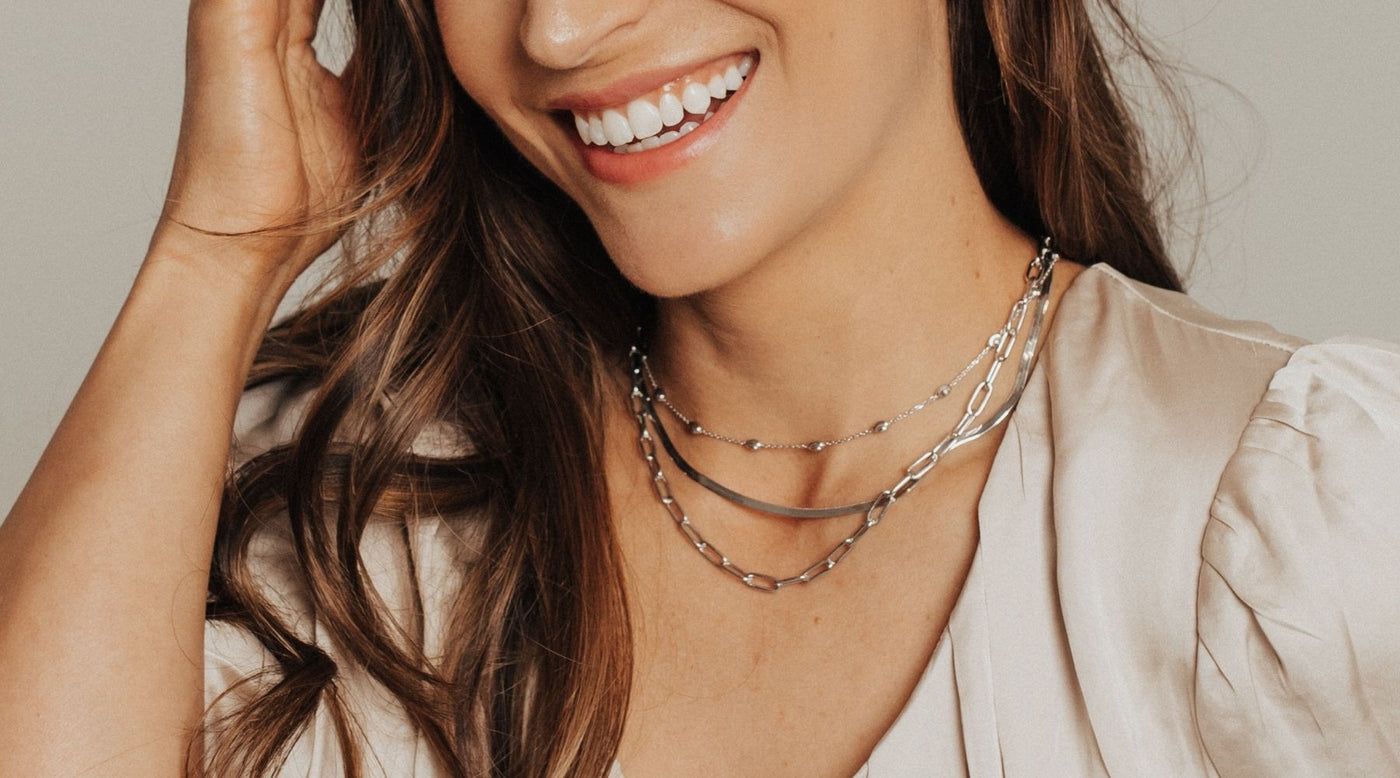
Necklace chains may look simple, but they come in many styles, each with its own personality and purpose. From delicate designs to bold, chunky links, chains play a big role in how a necklace looks and feels. Understanding different chain types can help you choose the perfect piece for your style and comfort.
One of the most common chain styles is the trace chain. This chain is lightweight and delicate, made of small, round or oval links that are the same size. chains Because of its fine structure, it is ideal for pendants. Trace chains are often used when the focus needs to stay on the charm or locket rather than the chain itself.
The belcher chain, also called a rolo chain, is similar to the trace chain but thicker. It has wider links that are usually round or slightly flat in shape. This chain feels stronger and is perfect for layering or wearing on its own. Belcher chains are popular for people who like a bold yet balanced look.
A paperclip chain shows long, narrow links that resemble paperclips. This modern style feels relaxed and stylish. It works well when layered with other chains and is often chosen for everyday wear because of its clean and trendy appearance.
The square link chain is a variation of the paperclip style but uses square or angular links instead of rounded ones. The sharp edges and geometric shape give this chain a strong, statement look. It is a great option for those who enjoy bold accessories.
A lozenge-link chain combines small diamond-shaped elements with regular chain links. This creates subtle detail while still keeping the design simple. It is perfect for people who want something unique without being too flashy.
Chains can also be categorised by what is attached to them. A pendant necklace features a charm or stone hanging freely from the chain. This style allows the pendant to move and stand out. In contrast, a station necklace has decorative elements built directly into the chain. These designs are evenly spaced and add gentle detail, making them great for layering or wearing as chokers.
Fastenings are another important part of necklace chains. A T-bar fastening uses a bar and loop to secure the necklace. It is both practical and decorative and is usually found on chunkier chains. This fastening is easy to use and adds style to the overall design.
The lobster clasp is the most commonly used fastening. It is strong, secure, and easy to adjust. Many necklaces include extra loops so the length can be changed to suit different outfits.
A necklace extender is a helpful accessory that allows you to increase the length of a necklace. It is especially useful for layering chains and adjusting how they sit on the neck.
In conclusion, necklace chains are more than just a support for pendants. Their style, structure, and fastening all affect how a necklace looks and feels. Knowing the basics helps you choose pieces that suit your personal style and make your jewellery collection more versatile.